
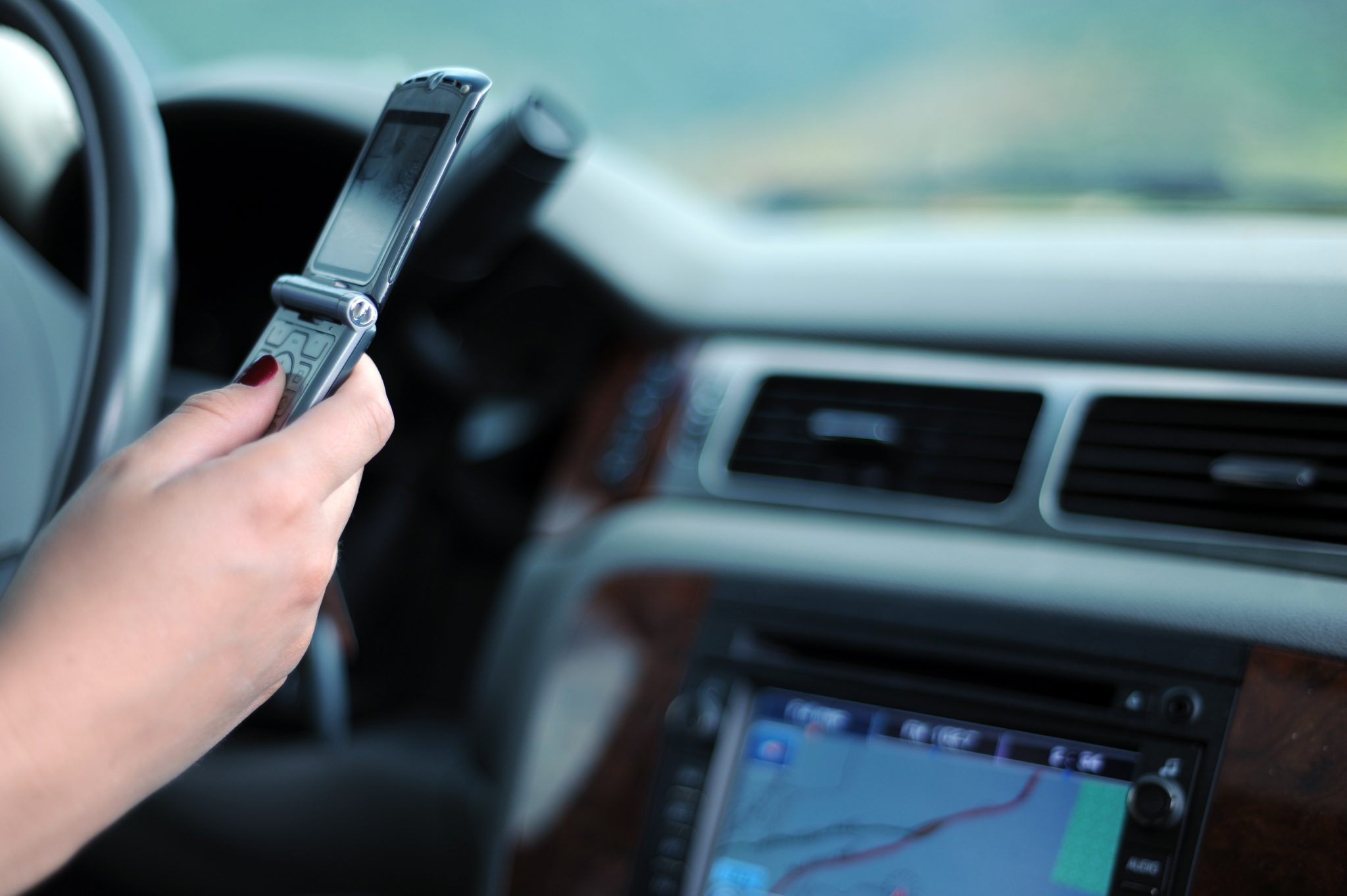
What Qualifies As Distracted Driving Under Illinois Law?
Distracted driving in Illinois includes using electronic communication devices such as cell phones, iPads, or tablets for texting, emailing, or social media. Watching videos or participating in video calls while driving also falls under this category. Essentially, any use of electronic devices that is not hands-free is considered prohibited while driving.
 |
 |
 |
 |
 |
 |
Do Non-electronic Activities Like Eating Or Applying Makeup Count As Distractions?
Yes, non-electronic activities are also considered distractions. There are two types of distractions: visual, which involves taking your eyes off the road, and manual, which involves removing your hands from the wheel. Activities like eating, drinking, applying makeup, or reaching into the backseat are examples of manual distractions and are considered distracted driving.
What Are Common Indicators That Distraction Played A Role In A Crash?
Indicators of distraction in a crash can include observations from the non-fault driver, eyewitnesses, or admissions from the at-fault driver. Witnesses might report seeing the at-fault driver using a phone or being otherwise distracted. A police report documenting such observations also serves as an important indicator.
How Are Cell Phone Records Used In Personal Injury Cases Involving Suspected Distraction?
In personal injury cases, cell phone records can be subpoenaed during discovery to match call and text histories with the time of the accident. These records are usually accurate and can reveal whether the driver was using their phone at the time of the incident. This evidence can be crucial in proving distraction.
How Are Non-electronic Distractions Proven In Court?
Non-electronic distractions are often proven through eyewitness testimony or admissions by the at-fault driver. Physical evidence at the scene, like spilled food or drink, can also suggest distraction. These observations are documented and used in court to establish the driver’s lack of attention.
How Does Illinois Law Treat Texting And Handheld Phone Use While Driving?
Illinois law permits hands-free use of cell phones while driving, provided it does not distract the driver. However, any handling of the phone that involves taking eyes off the road or hands off the wheel is prohibited. Drivers are not allowed to text or hold the phone while driving.
What Evidence Holds The Most Weight In Proving A Distracted Driving Claim?
Independent eyewitness testimony and admissions from the at-fault driver are the most compelling evidence in distracted driving claims. Additionally, cell phone records that confirm phone use at the time of the accident can significantly support the claim.
How Can Distraction Be Proven Without Independent Witnesses?
In the absence of independent witnesses, distraction can be proven through admissions from the at-fault driver or cell phone records. The plaintiff’s testimony about observing the at-fault driver being distracted can also be used, though it may require additional supporting evidence.
Can You Share A Case Example Where Distraction Evidence Impacted The Outcome?
One example involved a client at a stoplight who was rear-ended by a driver who admitted to dropping their cell phone and reaching for it. This admission clearly established the driver’s distraction and negligence, influencing the case’s outcome significantly.
How Does Proving Distraction Affect Settlement Negotiations And Trial Strategies?
Proving distraction can simplify settlement negotiations by clearly establishing negligence, making it easier to argue for compensation. In trials, such evidence can create compelling “gotcha” moments, particularly when a professional driver fails to meet expected standards of attention and care.


